Major Differences between Indoor and Outdoor LED Displays?
- What is an Indoor LED Display?
- What is an Outdoor LED Display?
- How to Distinguish the Outdoor Display and Indoor Display?
Here’s a detailed comparison between indoor and outdoor LED displays:
1. Indoor LED Display
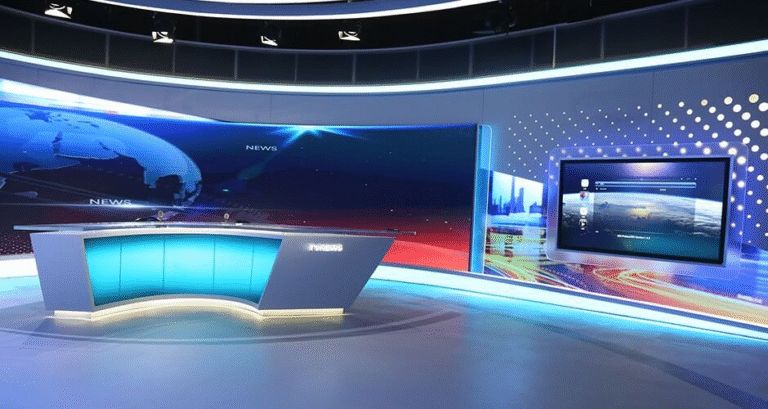
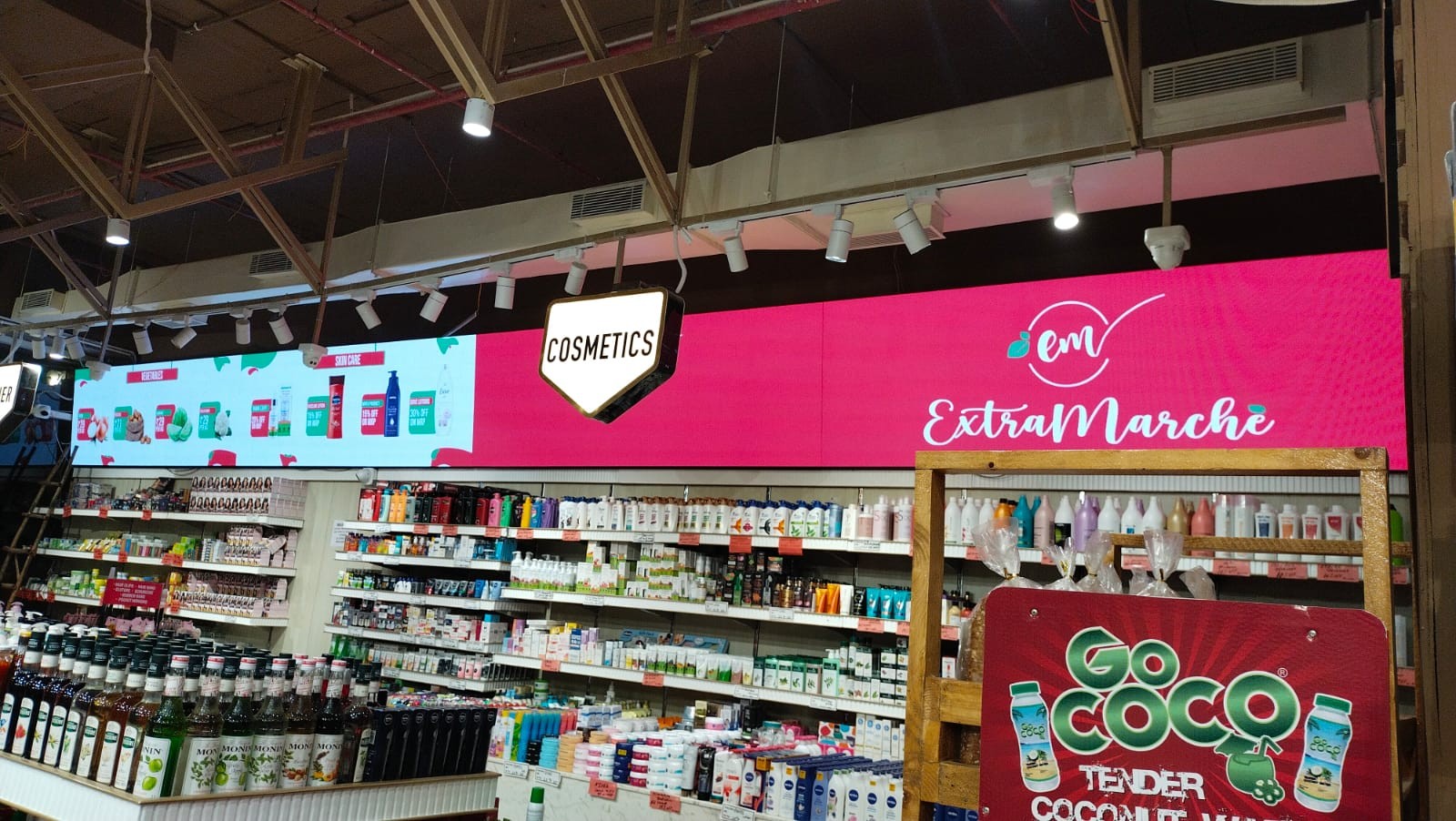
Definition: Indoor LED displays are used in indoor environments such as retail stores, banks, auditoriums, home theatres and conference rooms.
Characteristics:
- Pixel Density: Higher pixel density due to closer viewing distances.
- Brightness: Lower brightness to suit human eyes compared to outdoor displays.
- Design: Often surface-mounted, providing high-definition and colorful displays.
- Waterproofing: Typically not waterproof as they are not exposed to outdoor elements.
- Installation: Simple installation methods like wall-mounted or freestanding.
- Cost: Lower cost compared to outdoor displays of same pitch and clarity.
2. Outdoor LED Display
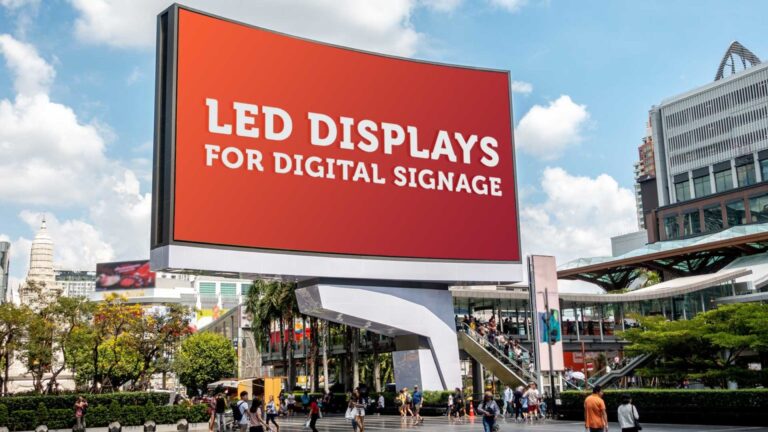
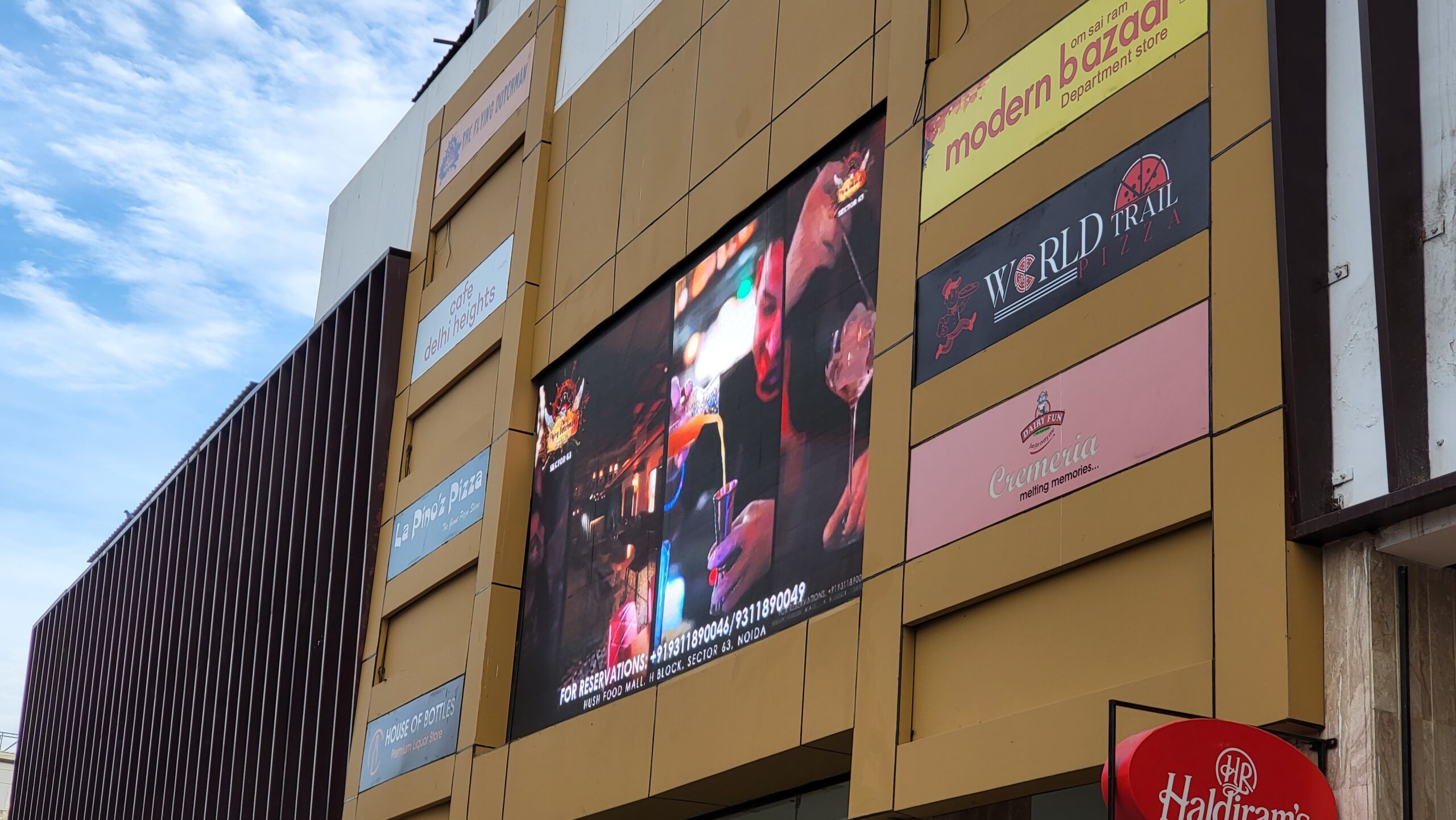
Definition: Outdoor LED displays are designed for outdoor environments where they are exposed to sunlight and varying weather conditions.
Characteristics:
- Brightness: Significantly higher brightness to combat outdoor sunlight.
- Pixel Density: Lower pixel density compared to indoor displays due to longer viewing distances.
- Design: Usually housed in waterproof cabinets to protect against rain and dust.
- Installation: Complex installation methods including wall-mounted, roof-mounted, or freestanding, requiring technical expertise.
- Cost: Generally higher than indoor displays of same pitch and clarity.
3. Key Differences and Distinguishing Factors
- Brightness: Outdoor displays have much higher brightness levels (dozens of times higher) to ensure visibility in daylight conditions. Indoor displays have lower brightness suitable for indoor lighting conditions.
- Weatherproofing: Outdoor displays are designed to be waterproof, windproof, and capable of handling varying temperatures. Indoor displays do not require such robust weatherproofing.
- Pixel Density and Viewing Distance: Indoor displays have higher pixel density for closer viewing distances, while outdoor displays sacrifice pixel density for brightness and long-distance viewing.
- Installation Complexity: Outdoor displays require more complex installation methods and considerations due to their exposure to outdoor elements and higher structural requirements.
In summary, choosing between indoor and outdoor LED displays depends on specific needs such as viewing environment, required brightness, pixel density, and installation conditions. Each type serves distinct purposes based on these factors and should be chosen accordingly for optimal performance and longevity.